What is ProstaVive?
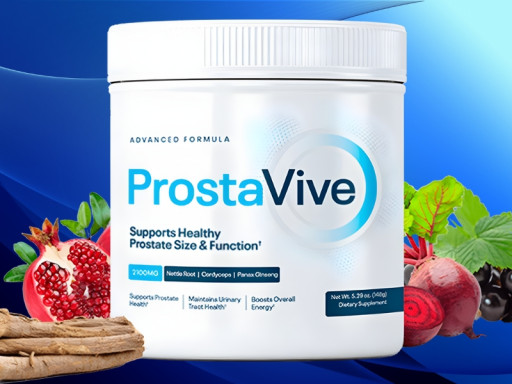
ProstaVive is a capsule-based dietary supplement positioned for men concerned about prostate health — particularly urinary flow, nighttime frequency, and general pelvic comfort. The formula is sold directly through the manufacturer's website and is marketed primarily at men over 45 who are beginning to notice age-related prostate changes.
The product uses a fully disclosed ingredient list with no proprietary blending, which is relatively uncommon in this supplement category. Each bottle contains a 30-day supply, with pricing that ranges from $79 per bottle at the single-bottle rate down to $39 per bottle when purchasing a six-bottle bundle.
Independence note: We purchased this product with our own funds. No samples were accepted from the manufacturer. This review reflects our independent analysis only.
Ingredient analysis
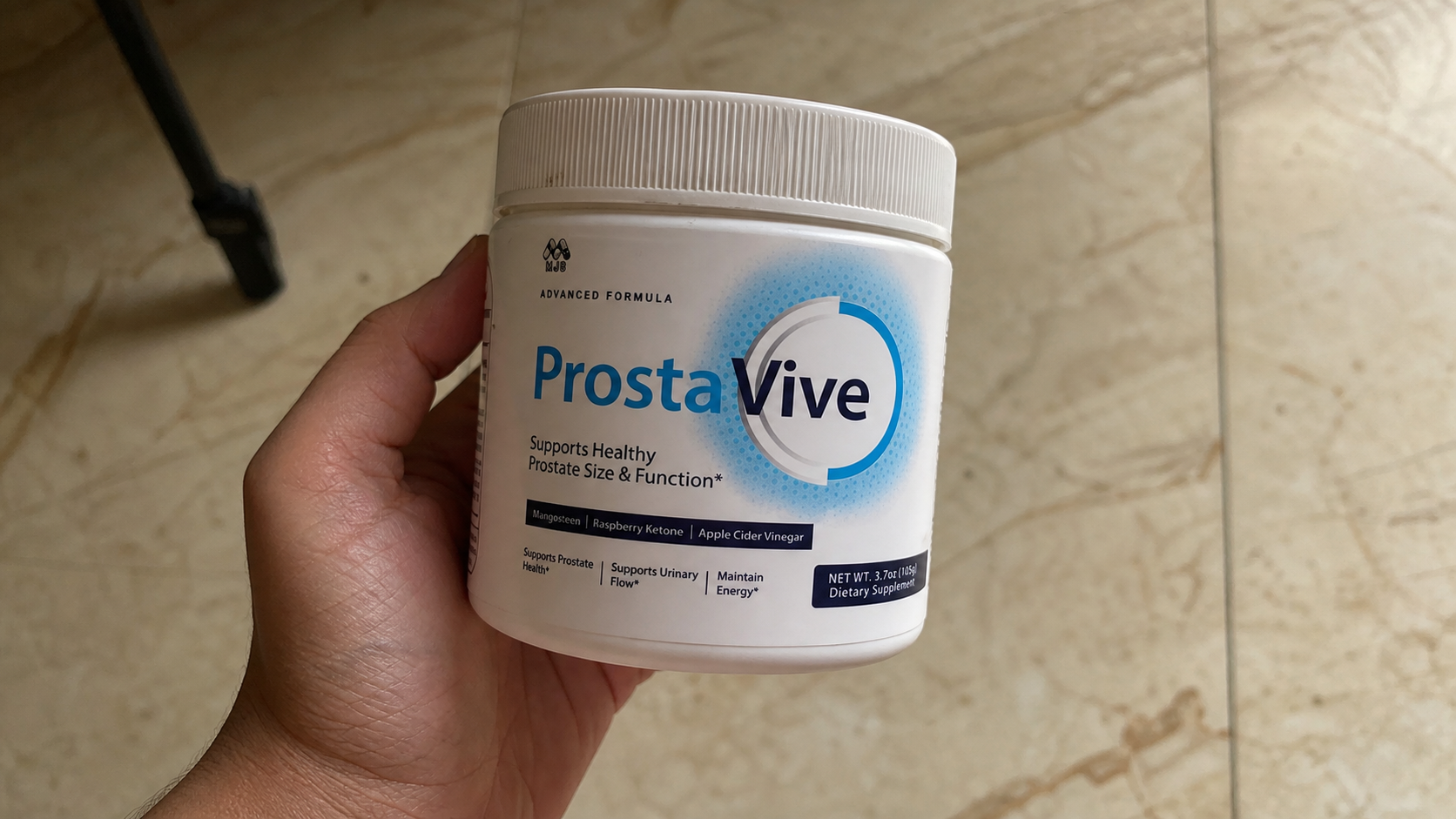
ProstaVive's label discloses every ingredient and dose — a meaningful plus in a category full of blended formulas. Here's how the key ingredients hold up against available evidence.
| Ingredient | Dose | Evidence | Our take |
|---|---|---|---|
| Saw Palmetto Extract | 320 mg | Strong | The most studied herb for benign prostate hyperplasia symptoms. At 320 mg (the dose used in most positive trials), it has a reasonable evidence base for supporting urinary flow and reducing nighttime urgency in some men. |
| Pygeum Africanum Bark | 100 mg | Moderate | Multiple clinical trials show modest improvements in urinary symptoms. The 100 mg dose is within the studied range. Evidence is encouraging but not definitive enough to make strong outcome guarantees. |
| Beta-Sitosterol | 300 mg | Strong | A plant sterol with several controlled trials supporting its role in improving urinary symptom scores. This is one of the better-dosed ingredients in the formula relative to what research has used. |
| Zinc (as Zinc Gluconate) | 15 mg | Moderate | Zinc is concentrated in prostate tissue, and deficiency is associated with prostate issues. 15 mg is a sensible daily amount — close to the RDA and unlikely to cause excess accumulation. |
| Lycopene | 10 mg | Moderate | Observational data links higher lycopene intake to prostate health, though intervention trials have produced mixed results. Included at a reasonable dose; unlikely to cause harm and may contribute a supportive role. |
| Pumpkin Seed Oil | 500 mg | Moderate | Some placebo-controlled trials suggest pumpkin seed oil can modestly reduce urinary frequency. The 500 mg dose is consistent with dosing used in positive studies. |
| Stinging Nettle Root | 120 mg | Moderate | Often combined with saw palmetto in prostate formulas. Modest evidence from combination trials; less data as a standalone ingredient. Included at a commonly used dose. |
| Boron (as Boron Citrate) | 6 mg | Weak | Preliminary research links boron to prostate-specific antigen (PSA) regulation and hormone metabolism. Evidence is early-stage and limited primarily to observational data. Presence here is speculative but the dose is safe. |
Pros & Cons
- Fully transparent label — every ingredient and dose is disclosed
- Key ingredients (saw palmetto, beta-sitosterol) dosed at clinically studied amounts
- Manufactured in a GMP-certified facility
- Price per bottle drops significantly on multi-bottle orders
- No proprietary blending — you can assess each ingredient independently
- No third-party testing certificate available — purity unverified externally
- Single-bottle price of $79 is on the higher end for this category
- Boron inclusion has weak supporting evidence at this time
How it works
ProstaVive targets prostate health through several overlapping mechanisms that its ingredient combination addresses simultaneously. The primary pathway involves modulation of dihydrotestosterone (DHT) — an androgen that accumulates in prostate tissue with age and is strongly associated with benign prostate hyperplasia (BPH). Saw palmetto is believed to weakly inhibit 5-alpha reductase, the enzyme that converts testosterone to DHT, though the magnitude of this effect in humans remains debated.
Beta-sitosterol and pygeum africanum appear to work partly through anti-inflammatory pathways in the prostate. Chronic low-grade inflammation is a recognized contributor to urinary symptoms in aging men, and these ingredients have demonstrated modest anti-inflammatory activity in tissue-level research. Zinc and lycopene round out the formula by addressing micronutrient sufficiency — the prostate requires higher zinc concentrations than most other tissues, and suboptimal levels are associated with functional decline.
It's worth noting that dietary supplements cannot treat, cure, or prevent any medical condition. If you're experiencing significant urinary symptoms, a qualified urologist is the appropriate first contact — these ingredients are best viewed as supportive rather than therapeutic.
Side effects & safety
ProstaVive's ingredients are generally well-tolerated at the doses used. Saw palmetto at 320 mg has been studied in trials lasting up to two years without serious adverse events in most participants. The most commonly reported issues across the formula include mild gastrointestinal discomfort — nausea or loose stools — particularly when taken on an empty stomach. Taking capsules with a meal mitigates this for most users.
Zinc at 15 mg daily is within the tolerable upper intake range for adults and unlikely to cause problems at this dose unless stacked with other zinc-containing supplements. Long-term high-dose zinc supplementation (typically above 40 mg/day) can interfere with copper absorption, but that's not a concern here.
Drug interaction note: Saw palmetto may have mild antiplatelet activity. Men taking blood-thinning medications such as warfarin or aspirin therapy should consult their prescribing physician before using ProstaVive or any saw palmetto-containing supplement.
Always consult a qualified healthcare professional before starting any supplement regimen.
Price & value
ProstaVive is priced at $79 for a single bottle (30-day supply), $59 per bottle for a three-bottle bundle, and $39 per bottle for a six-bottle bundle. The single-bottle price sits at the upper end for prostate supplements, though the bulk pricing is more competitive. At $39/month on the six-bottle order, the cost-per-serving is reasonable given the formula's transparency and GMP manufacturing.
For comparison, products like Prostate 911 and Super Beta Prostate typically retail between $30–$60 per month. ProstaVive's advantage over budget options is its disclosed dosing — many cheaper alternatives don't show what's actually in the capsule. The main gap versus premium competitors is third-party certification: products with NSF or Informed Sport certification justify higher prices through verified purity. ProstaVive currently lacks this credential, which is the primary factor holding back its value score.
Final verdict
ProstaVive gets the fundamentals right — transparent dosing, credible ingredients, and GMP manufacturing. The missing piece is independent third-party purity verification, which would meaningfully strengthen buyer confidence.
ProstaVive is a well-constructed prostate supplement for men looking for a label they can actually read and evaluate. The core ingredients — saw palmetto and beta-sitosterol — are dosed at amounts used in published research, and the absence of proprietary blending is a genuine differentiator. The main caveat is cost at single-bottle pricing and the lack of third-party purity testing; if either is a priority, compare against NSF-certified alternatives before committing.
Affiliate link — we may earn a commission at no extra cost to you.
Some links on this page are affiliate links. If you purchase through them, we may earn a commission at no additional cost to you. This never influences our scores or verdicts. All reviews are completed before any affiliate relationship is established.